
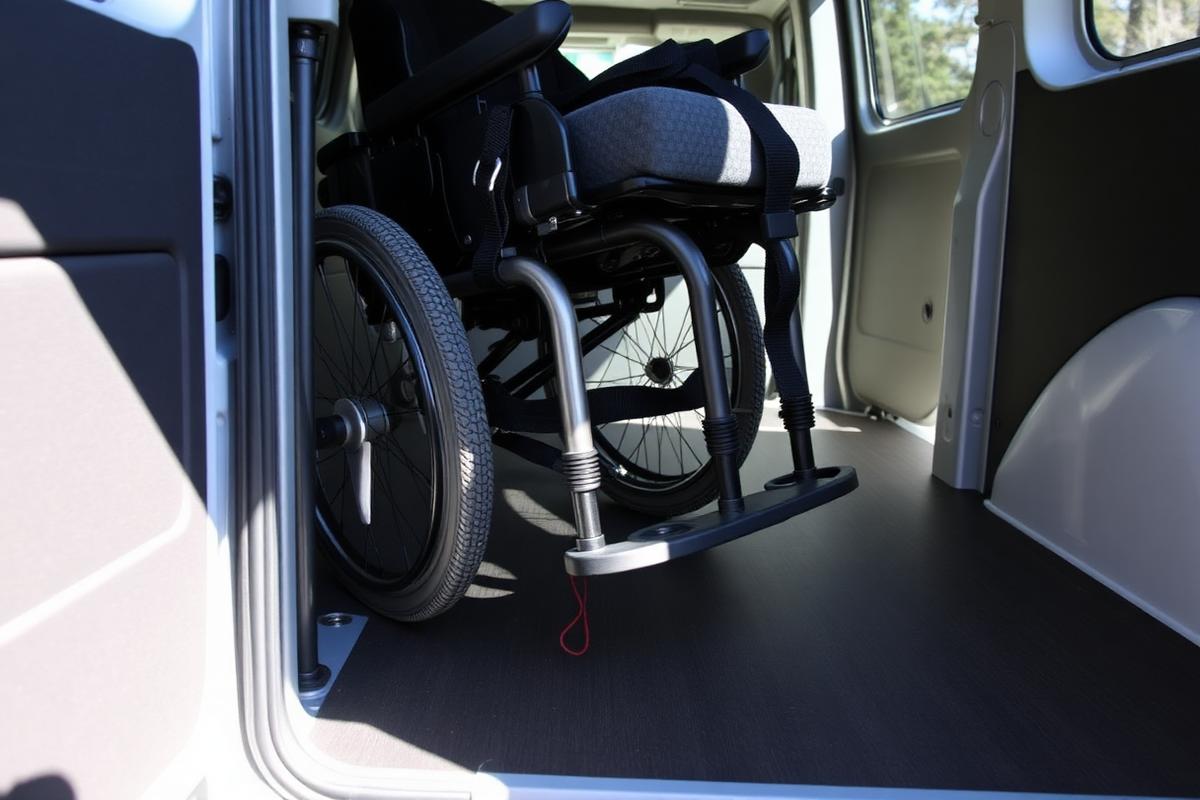
Patients managing dialysis, physical therapy, wound care, or multiple specialist visits often end up needing transportation several times a week, and booking each trip separately is a lot of unnecessary phone calls. Setting up a week's worth of rides as a standing plan, rather than one-off requests, is usually simpler for the patient, the caregiver, and dispatch alike. This guide walks through how that planning actually works for riders across Jacksonville, Clay County, and St. Johns County.
Start with the appointments that repeat on a fixed schedule
Dialysis is the clearest example, since it typically runs three times a week on a fixed pattern, either Monday-Wednesday-Friday or Tuesday-Thursday-Saturday, at close to the same time each visit. Physical therapy, wound care, and some infusion schedules follow a similar pattern, even if the days and times vary slightly from dialysis.
These fixed, repeating appointments are the foundation of a weekly transportation plan because they're the easiest to schedule as a standing pickup, using the same pickup time, and often the same driver and vehicle, for every occurrence. Once that backbone is set up, everything else in the week can be scheduled around it rather than the other way around.
Layer in appointments that vary week to week
Specialist visits, imaging, and lab work often don't happen on the same day every week, which means they need to be booked individually as they're scheduled, ideally as soon as the appointment itself is confirmed. Trying to guess these in advance and lock them into a fixed pattern usually backfires, since medical schedules shift more than transportation schedules do.
The practical approach is to keep the fixed weekly rides, like dialysis, as a standing arrangement, and call in the variable ones as they come up, giving dispatch as much notice as possible. This keeps the recurring backbone stable while still leaving room for the appointments that move around.
Account for where appointments actually are, not just when
A week that includes a dialysis clinic in Orange Park, a cardiology follow-up downtown, and a lab draw near the Beaches involves three very different drive times and traffic patterns, even if all three appointments are relatively close to home. Grouping information about where each appointment is, not just what day it falls on, helps dispatch assign drivers who are already working near each location rather than crossing the city unnecessarily.
For patients living in outlying areas like Fernandina Beach, Middleburg, or St. Augustine, this matters even more, since a single week can easily involve two or three separate long drives into Jacksonville's medical corridor. Being upfront about the full week's appointments, rather than requesting them one at a time as they come up, gives dispatch a better shot at routing efficiently.
Build in realistic time between back-to-back appointments
It's tempting to schedule two appointments close together on the same day to save a trip, but if those two appointments are on opposite sides of Jacksonville, the drive time between them, plus check-in and wait time at the second location, can easily eat up more than an hour. A gap that looked fine on paper can turn into a rushed, stressful transition between two medical visits.
When two appointments do need to happen on the same day, mentioning both when booking allows dispatch to plan the sequence realistically, factoring in which bridge or corridor connects the two locations and what time of day the drive between them will happen.
Communicating changes without breaking the whole week
A single missed or rescheduled appointment shouldn't require rebuilding the entire week's transportation plan. Calling dispatch as soon as an appointment moves lets that one trip be adjusted or canceled without touching the standing pickups already in place for the rest of the week.
It also helps to flag temporary changes ahead of time, such as a week where dialysis will run at a different clinic because of a facility closure, or a week where a caregiver rather than the patient will be present for pickup. These small heads-ups keep a standing weekly schedule from becoming a source of confusion.
Reviewing the plan periodically
A weekly transportation plan set up months ago may no longer match a patient's current appointment schedule, especially after a treatment plan changes or a specialist relocates their practice. Reviewing the standing schedule every so often, rather than assuming it's still accurate, catches these mismatches before they cause a missed ride.
This is also a good time to revisit anything about the rider's needs that may have changed, such as a new mobility aid, a caregiver who now needs to ride along regularly, or a shift in which pickup time works best around the rest of the household's schedule.