
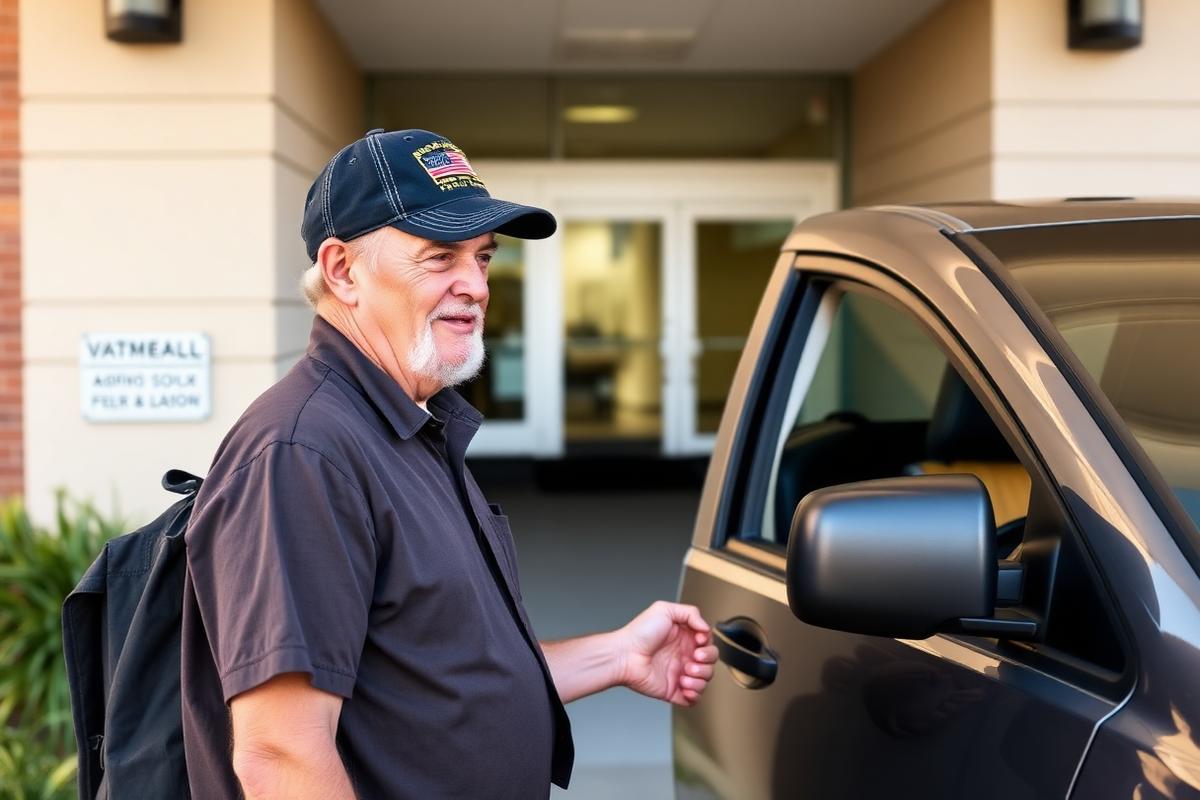
Nursing home residents in Jacksonville often need transportation to appointments the facility cannot provide on-site, from specialist visits to dialysis to imaging appointments at a hospital. Because many residents use wheelchairs or need additional assistance, and because nursing homes are managing transportation for many residents at once rather than just one, this kind of coordination looks a little different from an individual patient booking their own ride.
Why nursing homes need outside transportation
Even well-staffed nursing homes generally do not have the vehicles or staff to transport every resident to every outside medical appointment. Specialist visits, hospital follow-ups, dialysis, and diagnostic imaging routinely require leaving the facility, and residents need a safe way to get there and back that matches their mobility level, whether that is a wheelchair-accessible van or an ambulatory vehicle for a resident who can transfer independently.
Because nursing home residents are often more medically fragile than the general population, transportation providers serving this population need to be comfortable with wheelchair securement, patient transfers, and generally moving at a slower, more careful pace than they might with an ambulatory patient.
Coordinating with facility staff
Nursing home staff, often a social worker, activities coordinator, or nursing supervisor, typically handle transportation scheduling on behalf of residents, many of whom cannot easily coordinate this for themselves. This means transportation providers need clear, reliable communication with a designated point of contact at the facility rather than relying on residents to relay information.
Facilities benefit from establishing a consistent process with their transportation provider: how far in advance to book, what information is needed for each trip, and who to call with same-day changes. Once that process is established, it tends to run smoothly because both sides know what to expect from each interaction.
Standing schedules for recurring treatments
A meaningful share of nursing home transportation involves recurring treatments like dialysis, which residents may need multiple times per week on an ongoing basis. Rather than booking each of these trips individually, facilities typically set up a standing weekly schedule that repeats automatically, which is far less burden on facility staff and reduces the risk of a missed dialysis session.
Standing schedules should be reviewed whenever a resident's care plan changes or when they are discharged, transferred, or pass away, so the schedule accurately reflects the residents currently receiving that recurring transportation.
Documentation and family communication
Families of nursing home residents often want to know how their loved one's medical appointments are going, including how transportation is handled. Facilities that keep good documentation, confirming when a resident was picked up and returned, can answer these questions quickly and reassure families that appointments are being managed carefully.
This documentation also matters for facility recordkeeping generally, since missed or late appointments due to a transportation gap can raise questions during a survey or an internal review. A simple, consistent log tying each trip request to a confirmation record protects both the facility and the resident.
Serving Jacksonville and the surrounding counties
Nursing homes across Duval County, as well as facilities in Clay, St. Johns, and Nassau counties, often need to send residents to specialists or hospital systems located outside their immediate neighborhood. A transportation provider familiar with the region's roads, bridges, and major medical campuses can plan routes more reliably than one unfamiliar with local traffic patterns.
Because appointment times at busy hospital systems can be tightly scheduled, nursing homes benefit from working with a transportation provider that understands how much lead time is realistically needed to get a resident from the facility to a given destination and back, accounting for the region's rush-hour patterns.