
For many healthcare organizations, transportation and delivery needs are not one-time events but an ongoing part of operations: patients need rides to recurring appointments, specimens need daily pickup, prescriptions need regular delivery, and equipment needs to move on a predictable schedule. Setting up a formal partnership with a NEMT provider, rather than booking each trip individually, gives clinics, pharmacies, DME suppliers, and facilities in Jacksonville a more efficient and consistent process.
Why a formal partnership makes sense
Booking trips and deliveries one at a time works fine for occasional needs, but it becomes inefficient once an organization has regular, recurring volume, whether that is daily patient transportation, a lab courier route, or weekly equipment deliveries. A formal account sets up standing schedules, consistent billing, and a known point of contact, so staff are not re-explaining the same details every time a need comes up.
It also allows for better route planning on our end. When we know a facility's regular volume and timing in advance, we can assign consistent drivers who become familiar with the location's layout, staff, and any special handling instructions, which tends to make each pickup or delivery run more smoothly over time.
Types of organizations that typically partner with us
Hospitals and discharge planning departments partner with us to arrange patient transportation home or to rehab facilities, along with equipment delivery tied to discharge. Clinics and specialty practices set up recurring transportation for patients attending regular treatment, such as dialysis or infusion therapy, and may also use courier service for specimens and records. Pharmacies use delivery partnerships for recurring prescription delivery to homebound patients, and DME suppliers use delivery partnerships for standing equipment delivery routes.
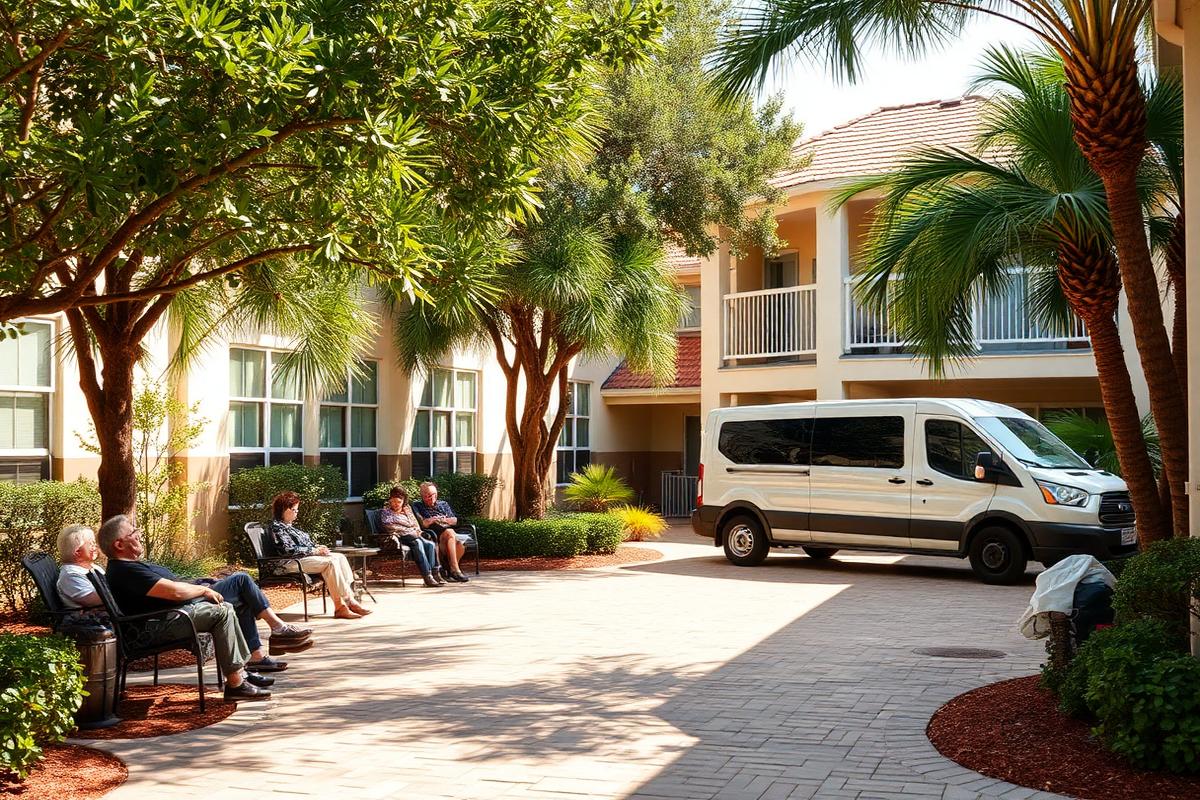
Group homes, assisted living communities, and skilled nursing facilities often combine several of these needs into one account, covering resident transportation to appointments along with deliveries of supplies, prescriptions, or equipment as needed.
What the account setup process looks like
Setting up an account starts with a conversation with our dispatch team about the organization's typical needs: the type of service (transportation, courier, prescription delivery, or equipment delivery), expected volume, usual locations, and any special handling requirements such as temperature control or chain-of-custody documentation. From there, we can propose a standing schedule or an on-demand process, or a combination of both, depending on how predictable the organization's needs are.
Many partnerships start with a trial period on a smaller scale, such as a single recurring route or a limited number of standing patient trips, so both sides can confirm the schedule and communication process work well before expanding to full volume.
Billing, documentation, and communication
Organizations with a formal account typically move to simplified billing, such as a regular invoice covering all trips or deliveries in a given period, rather than paying for each one individually. Documentation needs, such as proof of delivery, chain-of-custody logs, or trip confirmations for discharge records, can be built into the standard process for the account so they are provided consistently without a separate request each time.
A designated point of contact on each side, one at the organization and one on our dispatch team, helps keep communication efficient, especially when schedule changes or urgent requests come up outside the normal routine.
Handling patient information as a partner
Partnerships often involve sharing patient names, addresses, and appointment or delivery details in order to schedule service. This information is used only for the purpose of arranging and completing the transportation or delivery, and staff and drivers are expected to handle it with the same discretion applied to any individual booking, including keeping documents out of view and not discussing patient details with unauthorized parties.
Organizations with specific requirements around how patient information is shared or stored as part of the partnership can raise those requirements during account setup so they are addressed from the start rather than after service has already begun.
Coverage across Northeast Florida
Partnerships can cover a single Jacksonville location or a network of sites across Duval, Clay, St. Johns, and Nassau counties, including Orange Park, St. Augustine, and Fernandina Beach. Organizations with multiple locations often find it simpler to manage one partnership across all sites rather than separate arrangements for each one.