
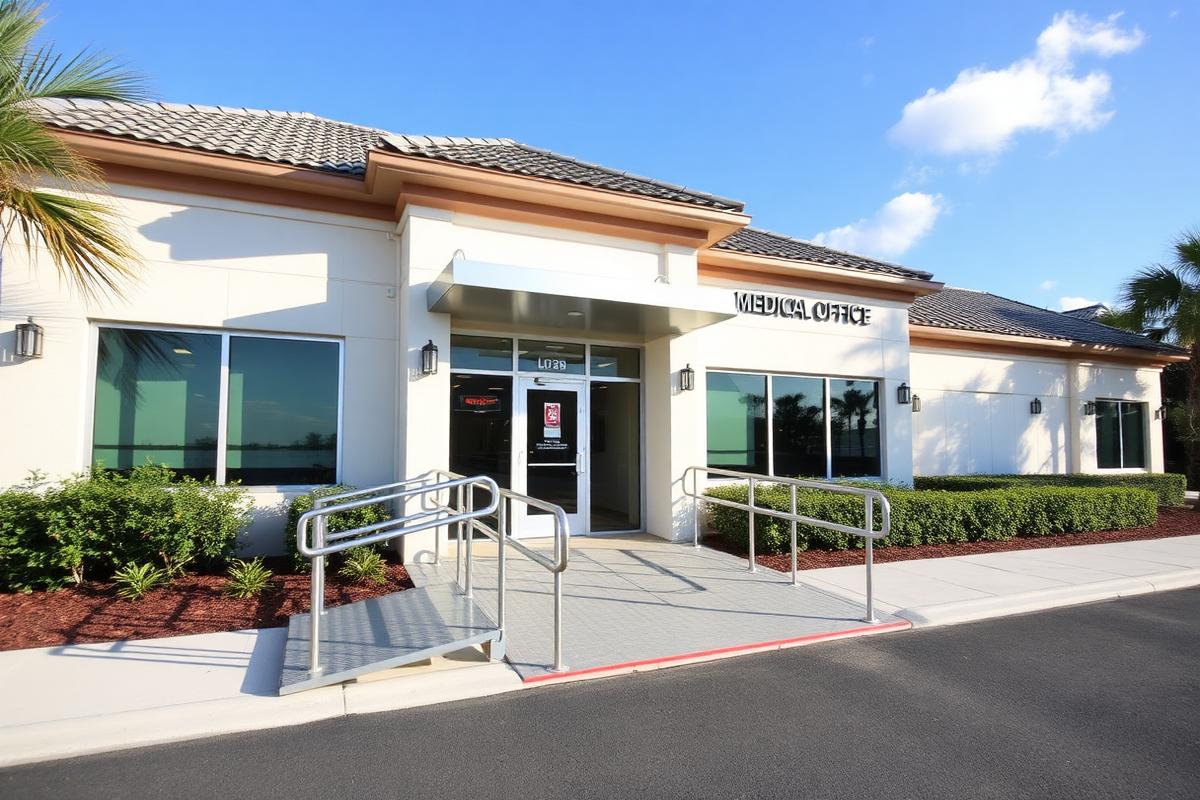
Clinics run on a tight schedule, and when something unexpected needs to move across town the same day, a front desk staff member usually does not have time to coordinate a complicated logistics solution. Same-day medical delivery service is built for exactly that gap: a specimen that missed the regular courier run, a document that needs a physical signature at another office, or supplies that ran out faster than expected. In Jacksonville, clinics use this service to keep small logistics problems from turning into a bigger disruption to patient care.
Common same-day scenarios clinics run into
A common example is a lab draw that happens after the regular scheduled courier pickup has already left for the day, leaving the clinic with a specimen that needs to reach the lab before it degrades or before the lab's cutoff time. Another is a referral packet or signed consent form that a specialist's office needs before they will see a patient, which cannot wait for regular mail. Clinics also use same-day service when equipment breaks down and a replacement or loaner needs to arrive from a supplier across town before the next patient is scheduled.
Multi-location practices run into this often when a patient's chart, imaging, or a piece of equipment is at the wrong office and needs to move to where the patient's appointment actually is. Rather than asking a staff member to leave the front desk uncovered to drive it themselves, a same-day delivery keeps the office fully staffed while the item still gets where it needs to go.
How the request and pickup window work
Requesting a same-day delivery starts with a call to our dispatch team describing the item, the pickup and drop-off addresses, and how time-sensitive it is. Dispatch gives an estimated pickup window based on current driver locations and routes already in progress, and a separate estimated delivery time once the item is picked up. Because these requests come in throughout the day, response times vary with how busy the route network is at that hour, so calling as early as the need is known gives the best chance of a fast pickup.
For genuinely urgent items, such as a specimen with a narrow stability window, letting our dispatch team know the deadline up front helps them prioritize the run and choose the most direct route rather than folding it into a multi-stop delivery pattern.
Keeping specimens and documents intact in transit
For lab specimens, the clinic packages the item according to its own protocol, and the driver keeps it upright and, where needed, in an insulated container for the ride. For paper documents like signed consents or referral packets, drivers use a folder or envelope to keep pages from shifting or being exposed, and hand them directly to the person or department named on the delivery rather than leaving them at a front desk unattended.
If a clinic has a standing preference, such as always calling ahead five minutes before arrival so someone is ready at the door, that instruction can be added to the account so every driver follows it consistently.
Setting up a standing same-day arrangement
Some clinics use same-day delivery only occasionally, calling in a request when a specific need comes up. Others set up a standing arrangement where they know they can call any weekday morning and expect a pickup within a defined window, which is useful for practices that regularly have last-minute needs but not enough volume to justify a fixed recurring route. Either approach works, and our dispatch team can advise which makes more sense based on how often the clinic expects to use the service.
A short account setup call covering typical item types, usual pickup and drop-off locations, and how urgent requests are usually communicated helps our team respond faster once the account is live.
Cost and how it's structured
Same-day and urgent deliveries are priced based on distance and how quickly the pickup needs to happen, since a rush request may mean pulling a driver off a planned route. Our dispatch team gives a quote up front before confirming the run so there are no surprises on the invoice. Clinics that use the service regularly can ask about setting up simple monthly billing rather than paying per delivery.