
If you have never used non-emergency medical transportation before, the process can feel unfamiliar. It is not an ambulance, and it is not quite like calling a taxi either. This page walks through, step by step, what a first-time Jacksonville patient can expect from the moment a ride is booked to the moment they are dropped back off at home.
The days before your ride
Once your ride is booked, you should have a rough pickup window for the day of your appointment, along with a phone number to call if anything changes. It is a good idea to write down the pickup time somewhere visible, like a calendar or a note by the door, especially if the appointment is early in the morning. If you have not heard confirmation of your ride by the day before, it is reasonable to call and check.
Think through anything you will need for the trip itself: a wheelchair or walker, a bag for medications or paperwork, water, and your insurance or Medicaid card if the visit requires it. If you use portable oxygen or other medical equipment, mention this when booking so the vehicle and driver are prepared for it.
The vehicle that arrives
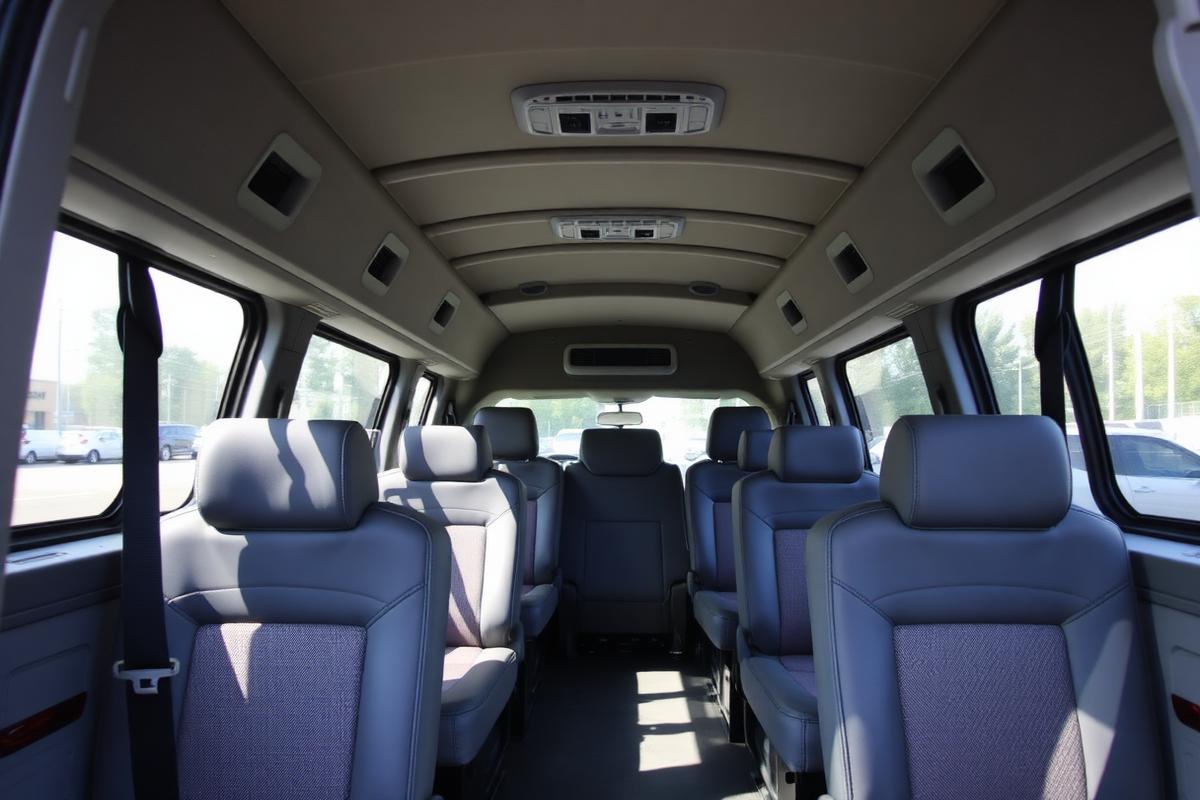
Depending on your mobility needs, the vehicle could be a regular ambulatory sedan or minivan, or a wheelchair-accessible van with a ramp or lift. If you booked based on your actual mobility level, the vehicle that shows up should match what you need without you having to ask twice. If something does not look right, such as a non-accessible vehicle arriving for a wheelchair user, it is fine to point this out immediately so it can be corrected.
Drivers are trained to assist with getting in and out of the vehicle safely, including securing wheelchairs and helping with seatbelts. You do not need to do this alone. If you need extra time or extra help, let the driver know at pickup, since patience and a few extra minutes are a normal part of these trips.
During the ride
The ride itself should feel calm and unremarkable. Drivers generally follow the most direct route to your appointment while accounting for Jacksonville's traffic patterns, bridge crossings, and construction. If you are riding with another passenger who has a nearby appointment, the route may include a brief additional stop, but the driver should still get you to your appointment with enough time before your check-in.
If you feel unwell during the ride, or if you have concerns about your medical condition, speak up right away. Non-emergency transportation is not equipped to handle a medical emergency, so if something feels seriously wrong, that should be treated as a call to 911 rather than a matter for the transportation provider.
Arriving and checking in
Drivers typically help you to the entrance of the facility, especially if you use a wheelchair or walker, though the level of assistance can depend on what was arranged at booking. Once you are safely at the door, the driver's job for that leg of the trip is done, and you will check in with the facility as you normally would.
If your appointment is somewhere large, like a hospital campus with multiple buildings, it helps to know ahead of time which entrance you are being dropped at, so you are not left navigating an unfamiliar building on your own.
Getting home
Whether your return ride is prescheduled or arranged by a will-call after your appointment, know which one applies to you before you go inside. If it is prescheduled, plan to be at the pickup point at the estimated time; if it is will-call, keep the callback number handy so you can request the return ride as soon as you are finished.
First-time riders sometimes worry about being forgotten. In practice, the best way to avoid any mix-up is simply to call the scheduling line if a return ride has not shown up within a reasonable time after you requested it, so the office can check on the driver's status.