
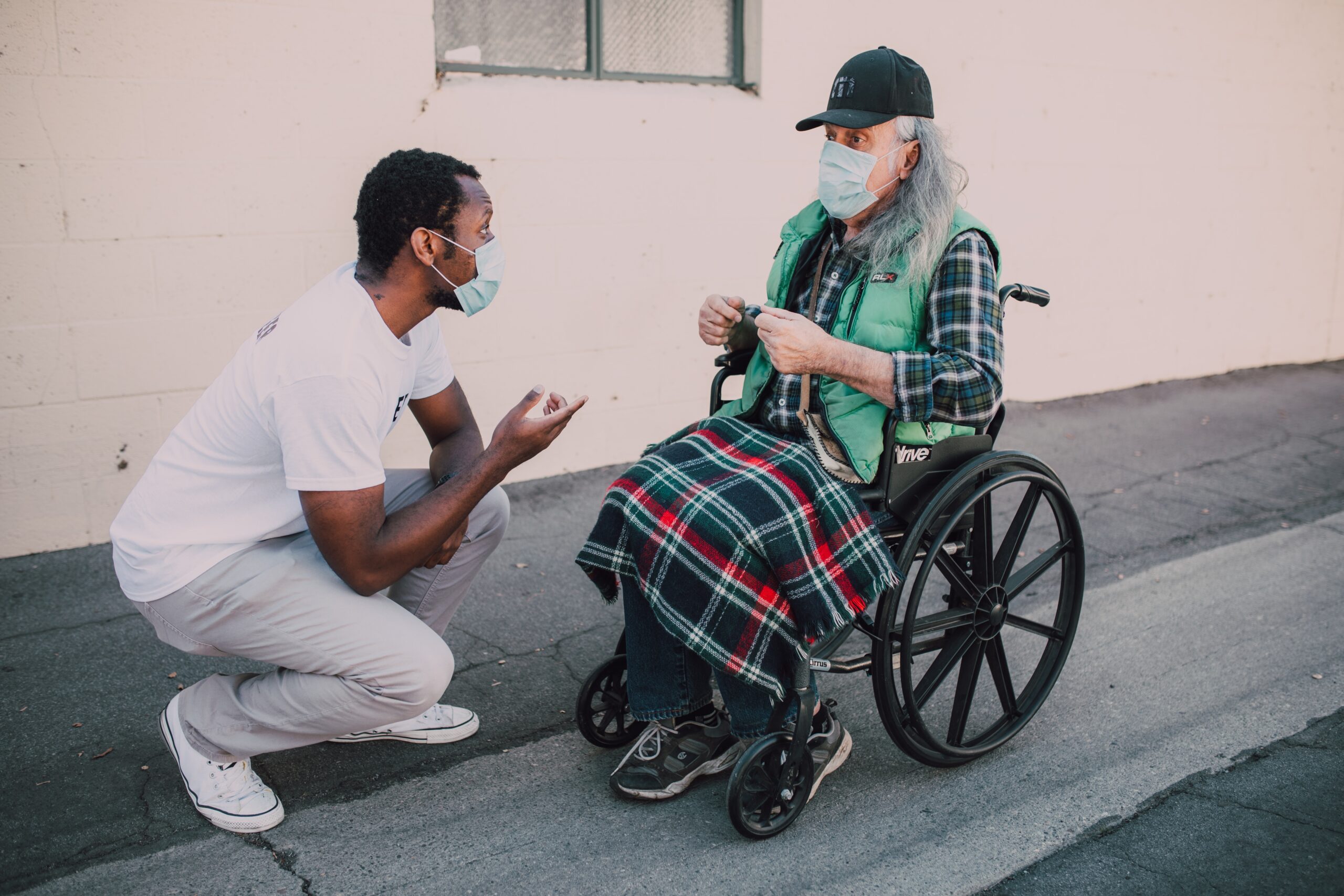
Jacksonville is one of the largest cities by land area in the country, and that size is the first thing to understand about getting to a medical appointment here. A trip from one side of the city to the other can easily take forty-five minutes even without traffic, and the St. Johns River splits the city in a way that forces almost every crossing through one of a handful of bridges. None of this is a problem as long as it is planned for, which is the difference between a stressful appointment and an uneventful one.
The river and the bridges that cross it
The Fuller Warren Bridge on I-95, the Buckman Bridge on I-295, the Mathews Bridge, and the Main Street and Acosta bridges downtown are the main ways to get from the Southside or Mandarin to the Northside, Westside, or Arlington. Each of these has its own traffic pattern; the Fuller Warren backs up hard during the evening commute, while the Buckman is usually a faster option for trips that don't need to go all the way downtown.
For a patient going to a dialysis center or a specialist appointment on the opposite side of the river from where they live, the bridge chosen for the route can add or subtract fifteen minutes from a trip without the distance on a map looking any different. This is one of the main reasons a live dispatcher with local knowledge is worth more than a generic mapping app for medical trips.
Neighborhoods and how they connect to care
Arlington and the Northside lean on Atlantic Boulevard, Merrill Road, and the Mathews Bridge to reach downtown medical facilities. The Southside and Mandarin rely heavily on Southside Boulevard, Baymeadows Road, and I-295 to reach Baptist Health's Southside campus and the cluster of specialty clinics near there. The Westside uses Roosevelt Boulevard, Cassat Avenue, and I-10 to connect to both downtown and Clay County, and the Beaches communities depend on Beach Boulevard, Atlantic Boulevard, and J. Turner Butler Boulevard to reach both local urgent care options and the main hospital campuses closer to downtown.
Knowing which corridor serves which neighborhood is not trivia, it is what allows a dispatcher to estimate a realistic pickup time. A driver already working near the Baymeadows corridor is a far better match for a Mandarin pickup than one starting from the Westside, and matching drivers this way is part of what keeps pickup windows tight.
Downtown medical corridor and traffic timing
Downtown Jacksonville and the area just south of it hold a concentration of hospital campuses, and traffic there behaves differently than anywhere else in the city. Shift changes at hospitals, morning school traffic near downtown, and event traffic tied to downtown venues can all slow a route without much warning. Appointments scheduled for early morning generally move faster through downtown than midday appointments, which is worth factoring in in when a patient has any flexibility on appointment time.
Return trips from downtown facilities in the late afternoon are the slowest window of the day almost without exception, so patients being picked up after a discharge or a long infusion appointment in the late afternoon should expect the drive home to take longer than the drive in did that morning.
What actually changes trip length in this city
Distance on a map is a poor predictor of trip length in Jacksonville compared to which bridge is used, what time of day the trip runs, and whether the route touches downtown at all. Two appointments that are the same number of miles apart can take very different amounts of time depending on those three factors, which is why estimated arrival windows account for more than raw mileage.
Weather is also a real factor here, not a minor one. Afternoon thunderstorms in the summer months are common enough that they routinely slow traffic on the bridges and on Beach Boulevard and Atlantic Boulevard, and a good dispatcher treats a stormy forecast as a reason to build in extra time rather than something to react to after the fact.
Planning an appointment day around the city's layout
For a patient with a single appointment, the main planning consideration is simply booking with enough lead time that the pickup window can account for the route and the time of day. For a patient with multiple appointments in one day, sequencing matters, since a trip that goes from the Westside to downtown and then out to the Southside in the same afternoon needs a very different plan than three appointments that are all near each other.
Recurring appointments, like dialysis or physical therapy, benefit from a consistent pickup time that avoids the worst traffic windows whenever the clinic's schedule allows it. Even a thirty-minute shift in pickup time can meaningfully change how predictable a recurring trip is across weeks and months.