
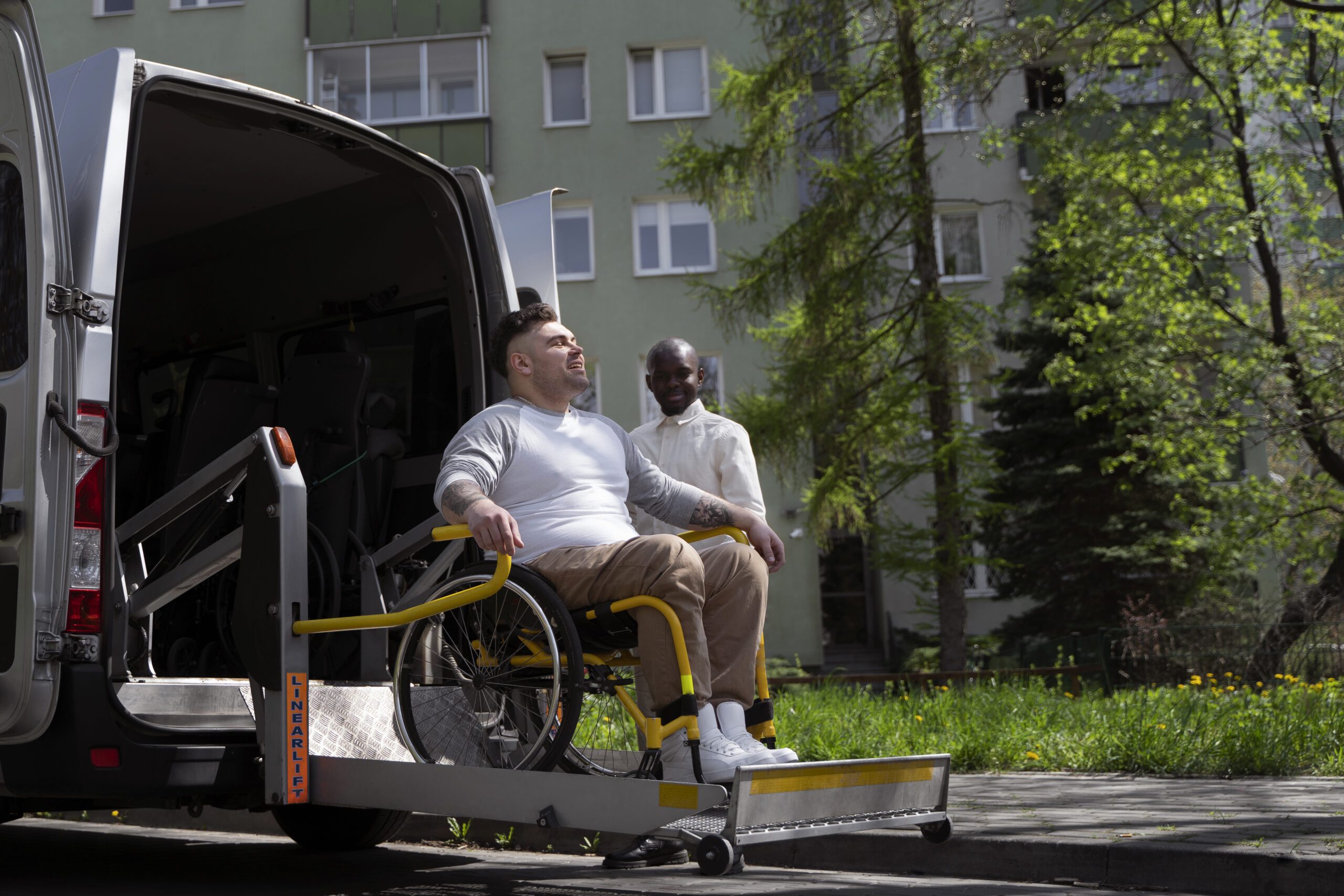
Northeast Florida is not one city, it is a cluster of counties and towns strung together by bridges, rural highways, and a handful of interstates that everyone eventually has to use. Duval, Clay, St. Johns, Nassau, and parts of Baker County send patients into Jacksonville's hospital corridor every day, and the reverse is also true, with Jacksonville residents traveling out to smaller clinics and specialists in surrounding towns. A regional NEMT operation has to understand that geography, not just the map of a single city.
Why regional coverage matters more than a single zip code
A patient who lives in Yulee but has a cardiology follow-up at a Jacksonville hospital campus does not care that Nassau County and Duval County have different governments; they care that the ride shows up on time and takes a predictable route. The same is true in reverse for a Jacksonville resident heading to a rural clinic near Macclenny. Treating the region as a single service area, rather than a patchwork of separate zones, is what makes recurring appointments and discharge rides actually reliable.
This also matters for facilities. Discharge planners at Jacksonville hospitals frequently need to get a patient home to Orange Park, Green Cove Springs, or St. Augustine the same afternoon, and a transportation provider that only operates inside Jacksonville's city limits is not useful to them. Regional coverage means one phone call can cover the whole trip, from hospital bed to the patient's own front door, no matter which county that front door sits in.
The roads that tie the region together
Interstate 95 is the spine that connects St. Augustine and Ponte Vedra Beach in the south to Yulee and Fernandina Beach in the north, running directly through Jacksonville's core. Interstate 10 brings in traffic from Baker County and points west, and I-295 forms the beltway that lets drivers avoid downtown congestion when going from one side of the region to the other. US-17, US-1, and SR-9B fill in the gaps between the interstates and are often the more practical route for a wheelchair van heading to a smaller clinic that isn't near a highway exit.
Bridges add another layer of planning. The Buckman Bridge on I-295 and the Fuller Warren Bridge on I-95 both carry heavy volumes across the St. Johns River, and either one backing up during a storm, an accident, or a routine afternoon rush can add real time to a trip. A dispatcher who knows these choke points builds in a buffer instead of promising an arrival time that depends on the bridge being clear.
Where people are actually going
Most regional trips funnel toward Jacksonville's major medical campuses, including the Mayo Clinic campus, UF Health Jacksonville, Baptist Health's downtown and Southside locations, and Ascension St. Vincent's. Dialysis clinics, oncology infusion centers, and orthopedic and pain-management practices are spread more widely, with plenty of them located in Orange Park, the Southside, Mandarin, and along the Beaches communities.
There is also meaningful traffic in the other direction. Patients from Jacksonville sometimes need transportation to specialists in St. Augustine or to smaller practices in Clay County, particularly when a specific provider only has availability outside the city. A regional NEMT service plans for both directions instead of assuming everything ends downtown.
Counties and communities typically covered
Duval County includes Jacksonville proper along with Arlington, the Southside, Mandarin, the Westside, and the Jacksonville Beaches. Clay County covers Orange Park, Middleburg, and Green Cove Springs. St. Johns County includes St. Augustine, St. Augustine Beach, and Ponte Vedra Beach. Nassau County covers Fernandina Beach, Yulee, and Callahan, and western Baker County trips are handled on a case-by-case basis given the longer drive times involved.
Coverage this wide only works if scheduling accounts for real drive time between these areas rather than treating every trip as a short in-town hop. A ride from Fernandina Beach to a downtown Jacksonville hospital is a very different trip, time-wise, from one that starts in Arlington, and a dispatcher who blends the two into the same estimate ends up running late on both.
Booking a trip that crosses county lines
The booking process itself does not change based on which county a pickup starts in. What changes is the lead time recommended for the trip, since a longer drive leaves less room to absorb a late booking request, and the driver assignment, since a vehicle already working the Beaches area is a better fit for a Ponte Vedra pickup than one dispatched from the Westside.
Recurring patients, such as those going to dialysis three times a week from Middleburg or St. Augustine, benefit the most from regional scheduling because the same driver and vehicle can be matched to the same route consistently, which keeps both the timing and the experience predictable trip after trip.