
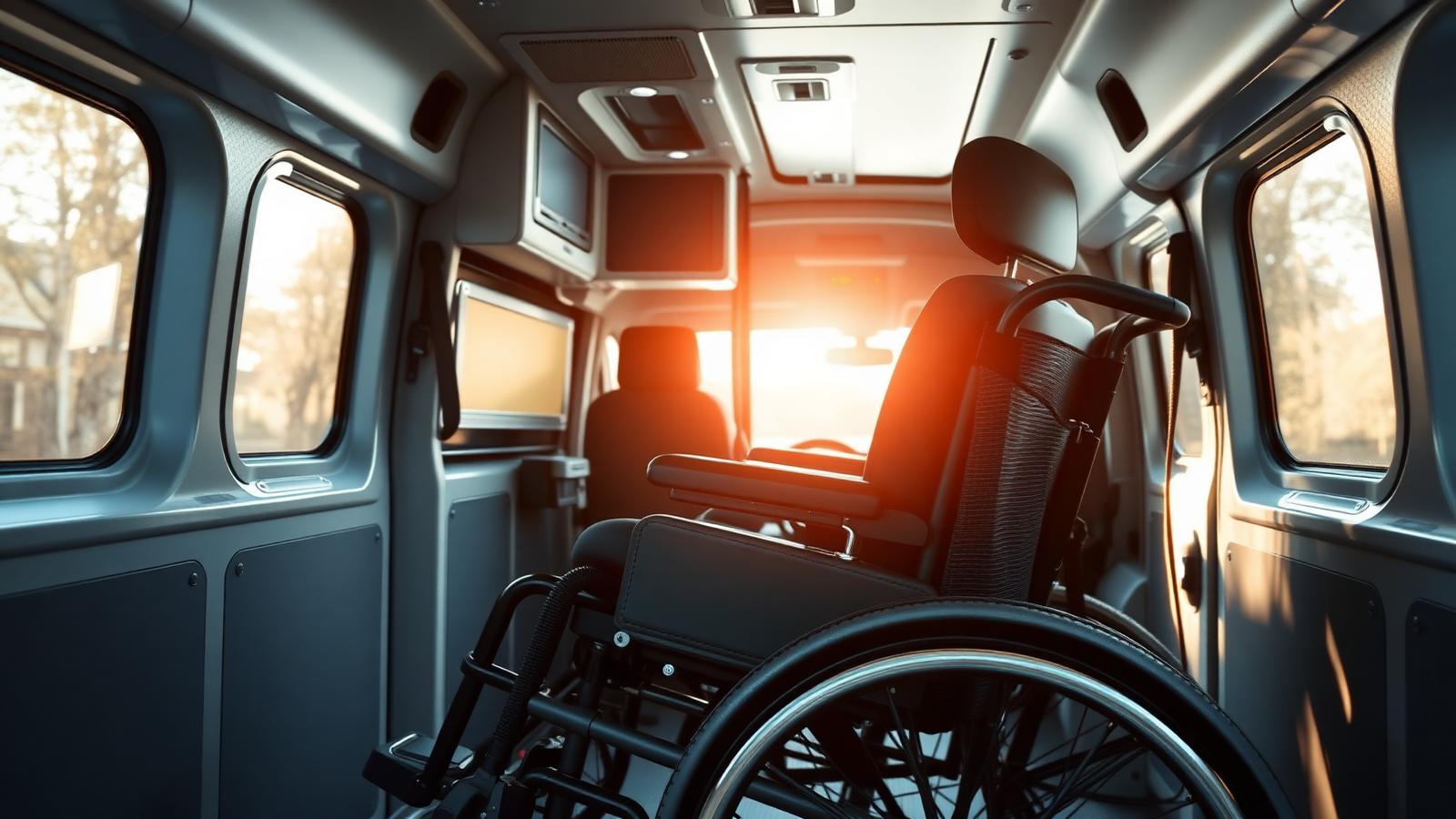
Anyone booking a ride to a medical appointment for the first time usually has the same handful of questions, and they are reasonable ones. Riders want to know how far in advance to call, what information dispatch actually needs, whether a caregiver can come along, and what happens if the appointment runs long. This page gathers those questions together in one place, focused specifically on how booking and riding works for patients in Jacksonville, Orange Park, St. Augustine, and the rest of Northeast Florida.
How far in advance should a ride be booked
Same-day requests are sometimes possible depending on vehicle availability, but booking at least a day or two ahead gives dispatch the best chance of matching the trip to a driver who is already working near the pickup area. For a first appointment with a new specialist, or any trip during a weekday morning when hospital corridors like the downtown medical campuses are busiest, more lead time simply means more flexibility on pickup time.
Recurring trips, such as dialysis three times a week or a standing physical therapy appointment, are best set up as a standing schedule rather than booked one ride at a time. Once a recurring schedule is in place, the same pickup time and, where possible, the same driver and vehicle are used week after week, which removes the need to call in every single visit.
What information dispatch needs at booking
Dispatch needs the exact pickup address, the destination address, the appointment time, and a phone number where the rider or a caregiver can be reached on the day of the trip. It also helps to mention any mobility equipment involved, whether that is a manual wheelchair, a power chair, a walker, or a stretcher, since that affects which vehicle gets assigned to the trip.
If someone besides the patient will be riding along, that should be mentioned at booking rather than at the curb, since vehicles have a fixed number of seats and a driver showing up with a car sized for one passenger cannot always accommodate an unplanned extra rider. The same goes for medical equipment like a portable oxygen tank, which is fine to bring but is easier to plan for when dispatch already knows about it.
Pickup windows and why the driver isn't at the door at a single fixed minute
A pickup window, rather than one precise minute, is standard in NEMT because a driver's schedule is a chain of trips, and Jacksonville's traffic, especially around the Fuller Warren and Buckman bridges, doesn't move at a perfectly predictable pace. A typical pickup window gives a range, often around fifteen to thirty minutes, inside which the driver is expected to arrive.
Riders should be ready at the start of that window, not the end of it, since a driver who arrives early and finds the patient not yet ready loses time that was meant as a buffer for the rest of their route. If a pickup window is going to be missed by more than a few minutes, dispatch or the driver should be the one to communicate that, not something the rider has to guess at.
Wait-and-return versus a separate call for the ride home
For short appointments, like a quick lab draw or a follow-up visit, a wait-and-return trip keeps the same driver on-site and ready to bring the patient home as soon as the visit ends. For longer appointments, like a multi-hour infusion or an all-day procedure, the driver is usually released to handle other trips, and the return ride is scheduled as a separate call-when-ready pickup once the patient knows their actual discharge time.
Choosing between the two comes down to how predictable the appointment length is. A dialysis session runs close to the same length every time, which makes wait-and-return or a tightly scheduled return trip practical, while a same-day surgery consult can run short or long enough that call-when-ready is the safer choice.
Cancellations, no-shows, and appointment changes
Calling to cancel as soon as an appointment changes, ideally the same day the change is known, gives dispatch time to reassign that driver to another rider instead of holding a slot that will go unused. Same-day cancellations are sometimes unavoidable, especially when a doctor's office reschedules on short notice, but calling as early as possible still helps.
A no-show, where a driver arrives at the pickup window and the rider is not there or not ready, is treated differently from a cancellation because the driver has already committed the time and mileage to the trip. Riders who know they may not be ready, for example because a prior appointment sometimes runs long, should mention that when booking so dispatch can build in a small cushion.
Door-to-door assistance and what drivers actually help with
Door-to-door assistance means the driver helps the patient from their door to the vehicle and back again, including navigating steps, ramps, or a longer walk from a house set back from the street. This is different from door-through-door or hands-on lifting assistance inside the home, which is a higher level of help that should be discussed at booking if a patient needs it.
Inside a medical facility, drivers typically walk patients to the check-in desk or waiting area rather than staying with them through the appointment itself, since staff inside the building take over from there. Patients who need help navigating a large campus, such as one of Jacksonville's bigger hospital complexes, can mention that at booking so extra time is built into the pickup.